The Essential Guide to Choosing the Right Materials for Construction Projects Feb 14, 2026
When embarking on a construction project, the first step is to clearly define your objectives. Consider factors like budget, aesthetic goals, functionality, and environmental impact. With clarity on these fronts, it's easier to streamline the material selection process for your project. Each material brings unique properties to the table, and understanding these can inform your choices.
Durability is one of the most important aspects to evaluate. Materials must withstand the test of time and the conditions they will be exposed to. For example, in areas prone to moisture, water-resistant materials such as treated lumber or composite decking could be preferable. Similarly, consider materials like steel or aluminum for their strength and resistance to wear and tear, especially in demanding environments.
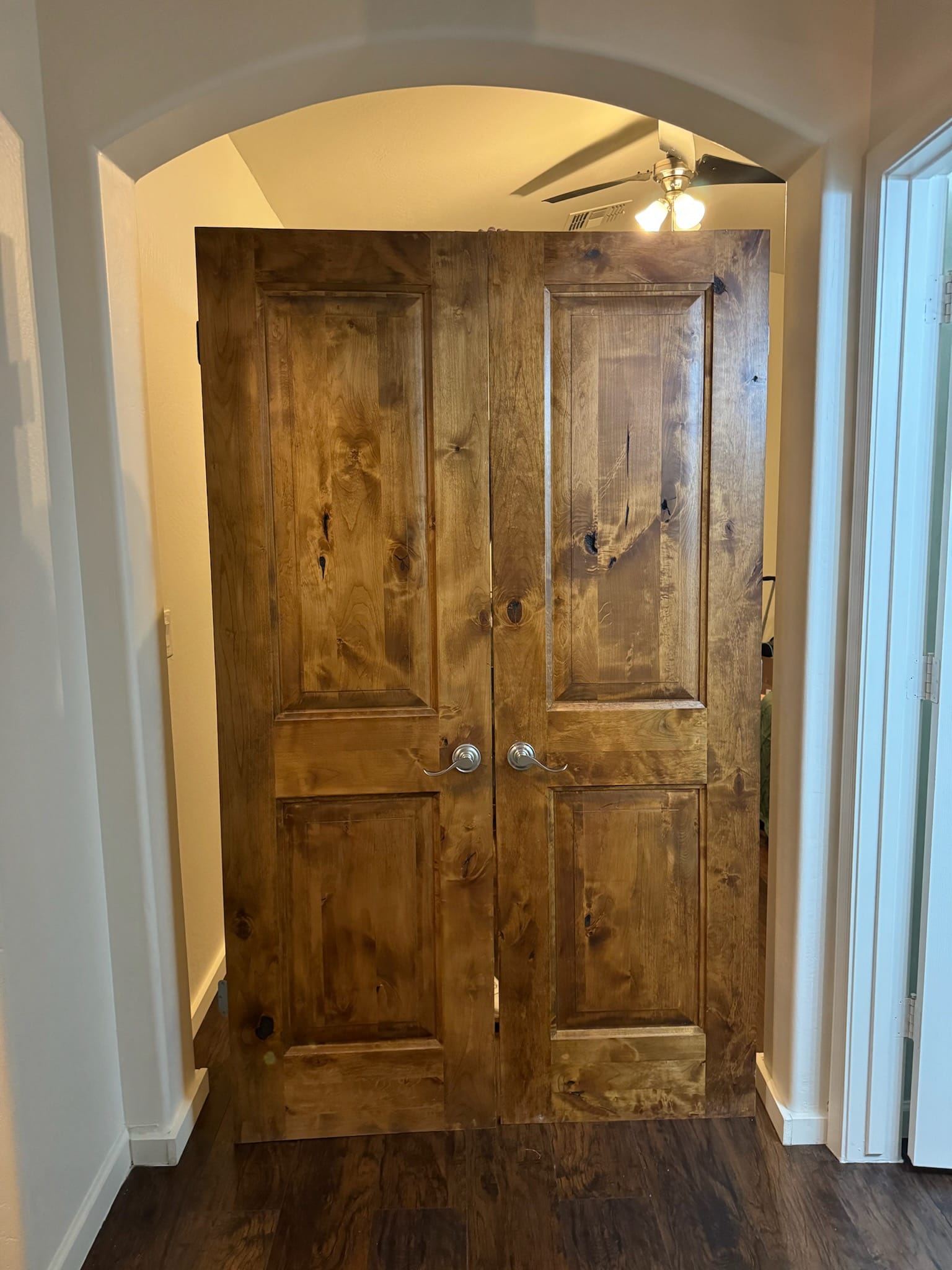
Aesthetics also play a significant role in material choice. The visual finish of a project must align with the overall design theme and client preferences. Natural wood offers a classic, warm appeal, while modern materials like polished concrete or glass can provide a sleek, contemporary look. Remember that aesthetics go hand-in-hand with durability; therefore, it is vital to balance both aspects for a successful outcome.
Another critical consideration is the environmental impact of construction materials. With increasing awareness of sustainable practices, opting for eco-friendly materials has become more popular. Bamboo, reclaimed wood, and recycled metal are excellent choices that reduce the carbon footprint while maintaining quality. Furthermore, these sustainable materials often qualify for green building certifications, adding value to the project.
Cost management is intrinsic to a successful construction project. While high-quality materials might be more expensive initially, they often offer better longevity and lower maintenance costs over time. Setting a realistic budget with room for quality materials can prevent expensive repairs or replacements down the line. It’s important to work closely with your construction service provider, like TNT Doors, to ensure that the best balance between cost and quality is achieved.
Local availability should not be overlooked when selecting materials. Choosing locally-sourced materials can reduce transportation costs and delivery times, thus speeding up project completion. Additionally, local materials are often more suited to weather conditions prevalent in the area, further enhancing durability.
Lastly, it's vital to stay informed about new materials and technologies. The construction industry is continually evolving, with innovative materials like engineered wood or smart glass offering new possibilities. Being open to exploring these options can lead to more efficient and exciting project outcomes.
In conclusion, selecting the right materials for your construction projects requires a comprehensive understanding of various factors, including durability, aesthetics, environmental impact, cost, and local availability. By carefully considering these aspects and consulting with experienced professionals like those at TNT Doors, you can ensure your project not only meets your current needs but also stands the test of time.
/filters:no_upscale()/filters:format(webp)/media/faddfe09-3f3b-4aa3-8780-8ad4ff93feef.jpeg)